
Seasonal Guide: Preparing for Winter in Kane County's Veteran Shelters


Understanding the Needs of Kane County's Veteran Shelters
As the winter months approach, Kane County's veteran shelters are preparing to meet the increased demand for warmth, food, and support. It is crucial to understand the unique needs of these shelters to ensure that our veterans receive the care and assistance they deserve during the coldest time of the year. By addressing these needs, we can help create a safe and comfortable environment for those who have served our country.
Ensuring Adequate Shelter and Warmth
One of the primary concerns for shelters in winter is maintaining adequate warmth for residents. This includes providing sufficient heating and ensuring that all living areas are insulated against the cold. Many shelters rely on donations of blankets, coats, and warm clothing to keep veterans comfortable. Community members can greatly assist by donating these items, especially those in good condition.
Additionally, ensuring that heating systems are functional and energy-efficient is vital. Regular maintenance checks can prevent breakdowns during the winter months, ensuring continuous warmth for residents. Local businesses and volunteers skilled in HVAC systems can offer their services to shelters, helping to maintain and repair heating systems as needed.
Stocking Up on Essential Supplies
Winter requires shelters to be well-stocked with essential supplies. Non-perishable food items, hygiene products, and medical supplies are crucial to support daily operations. Shelters often experience an increase in residents during the colder months, so having a surplus of these items is beneficial.
Community food drives and donation programs can help maintain these stock levels. Consider organizing events where people can donate canned goods, toiletries, and first-aid supplies. These contributions make a significant difference in the lives of veterans residing in the shelters.
Providing Health and Wellness Support
Winter can be particularly harsh on the health of individuals, especially those with underlying conditions. Shelters should focus on providing adequate healthcare and wellness support to their residents. This includes flu vaccinations, regular health check-ups, and mental health services.
Local healthcare professionals can volunteer their time to offer these services within the shelters. Regular visits from doctors, nurses, and mental health counselors can ensure that veterans receive the comprehensive care they need during the winter months.

Engaging the Community for Support
The involvement of the local community is vital in supporting veteran shelters during winter. Volunteers can offer their time to assist with daily operations, meal preparation, or organizing activities for residents. Additionally, financial donations can help shelters cover heating costs, utility bills, and other operational expenses.
Raising awareness through social media, community events, and local news outlets can encourage more people to contribute. Highlighting the stories and needs of veterans can foster a stronger sense of community support and engagement.
Preparing for Emergencies
Winter weather can be unpredictable, making emergency preparedness crucial for shelters. Having a robust emergency plan in place ensures that residents are safe and secure in the event of power outages, severe storms, or other unexpected situations.
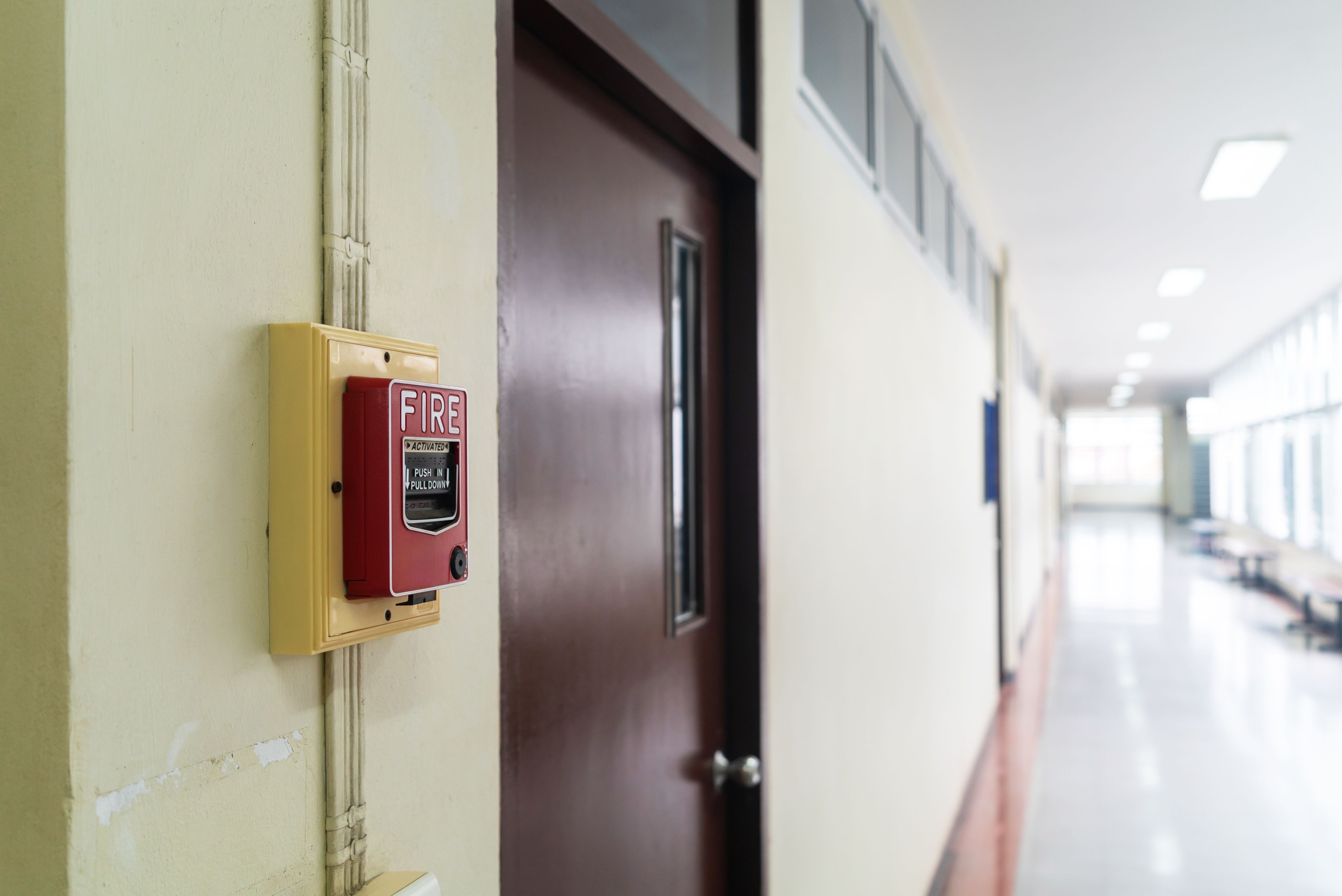
Shelters should conduct regular emergency drills and ensure that all staff and residents are familiar with evacuation procedures. Stocking up on emergency supplies such as flashlights, batteries, and non-perishable food can also help in maintaining safety during these times.
By focusing on these key areas, Kane County's veteran shelters can provide a warm, safe, and supportive environment for veterans during the harsh winter months. Through community involvement and strategic planning, we can all play a part in ensuring that those who have served our nation are well cared for when they need it most.